

If you’ve ever stood in the shower wondering whether you actually need to wash your hair today, you’re not alone. It’s one of those questions that seems like it should have a simple answer — but doesn’t.
Some people swear by daily washing. Others go a full week without shampoo and claim their hair has never looked better. Your hairdresser says one thing, your friend says another, and that influencer on TikTok is telling you that you’ve been doing it wrong your entire life.
So what’s the truth? Let’s break it down.
The Problem with Washing Every Day
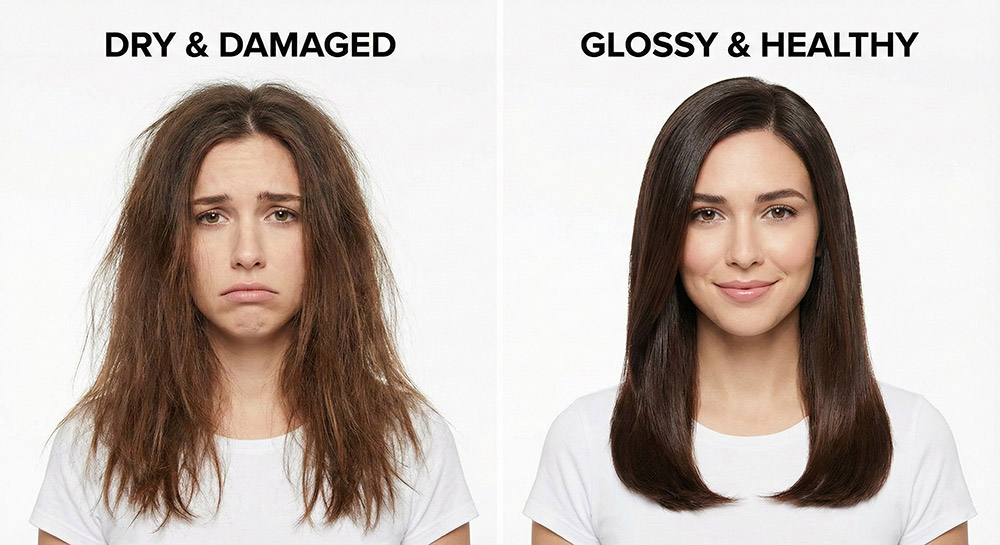
Here’s something that might surprise you: washing your hair daily is almost never necessary. In fact, for most people, it’s doing more harm than good.
Your scalp produces natural oils called sebum. These oils aren’t the enemy — they’re actually designed to protect your hair and keep it healthy. When you shampoo every day, you strip away these oils completely. Your scalp panics, thinks it’s too dry, and starts producing even more oil to compensate.
It’s a vicious cycle. The more you wash, the greasier your hair gets, so you wash more, and your hair gets greasier still.
Sound familiar?
If you’ve been a daily washer for years and your hair feels like an oil slick by lunchtime, this is probably why.
How to Tell If You’re Overwashing
Not sure if you’re washing too much? Here are some signs your hair is trying to tell you something:
Your scalp feels tight or itchy after washing. That squeaky-clean feeling isn’t actually clean — it’s stripped. A healthy scalp shouldn’t feel tight.
Your ends are dry but your roots are oily. This disconnect happens when you’ve disrupted your scalp’s natural oil production while simultaneously drying out your lengths.
You need to wash every single day or you look greasy. If you can’t skip even one day without reaching for the dry shampoo, your scalp has become dependent on daily washing.
Your hair color fades fast. Frequent washing is one of the biggest reasons color doesn’t last.
You’re dealing with more breakage than usual. Wet hair is fragile hair. The more often you wash, the more you’re handling your hair at its most vulnerable state.
So How Often Should You Actually Wash?
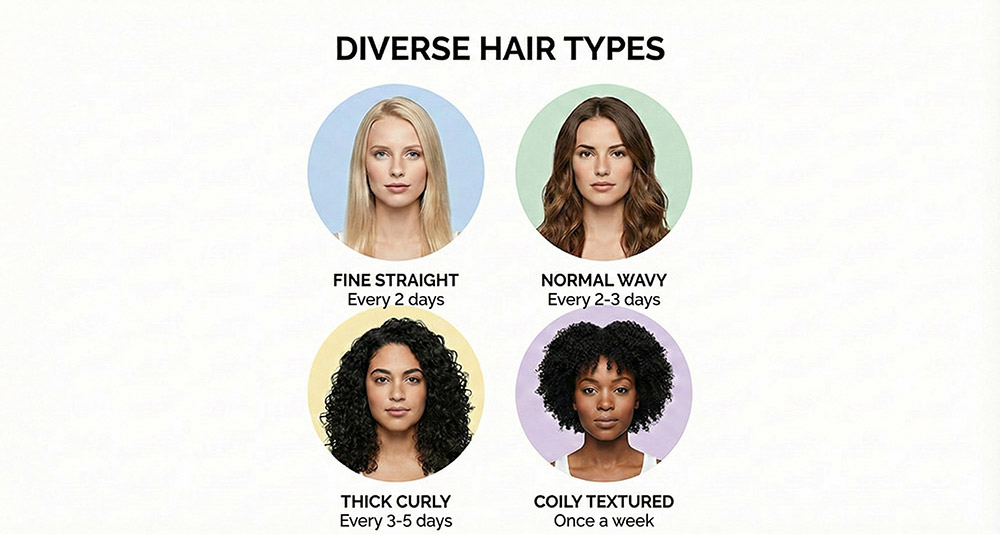
Here’s the honest answer: it depends on your hair type. I know that’s not the definitive answer you were hoping for, but stick with me.
Oily or Fine Hair
If your hair is fine, thin, or naturally on the oilier side, you can probably wash every other day — maybe every two days once your scalp adjusts. Fine hair shows oil faster because there’s simply less hair to absorb it.
The goal is to stretch it out gradually. If you’re currently washing daily, try every other day for a couple of weeks. Your hair might look a bit greasy at first, but give it time. Your scalp will eventually recalibrate.
Normal Hair
If your hair isn’t particularly oily or dry, every two to three days is usually the sweet spot. This gives your natural oils time to do their job without things getting out of hand.
Most people with normal hair find that day two is actually when their hair looks best — it has some texture and hold that freshly washed hair lacks.
Thick or Dry Hair
Thicker hair can usually go three to five days between washes, sometimes longer. The density means oil takes longer to travel down the hair shaft, so it doesn’t look greasy as quickly.
If your hair is dry or damaged, less frequent washing helps retain the moisture your hair desperately needs. Those natural oils are your friend here.
Curly or Coily Hair
Curly and coily hair types often do best with once-a-week washing, sometimes even less. The curl pattern makes it harder for scalp oils to travel down the strand, so buildup happens much more slowly.
Many people with textured hair find that over-washing leads to dryness, frizz, and lost curl definition. If you have curly hair and you’re washing frequently, try cutting back and see what happens. You might be surprised.
Signs Your Scalp Actually Needs a Wash
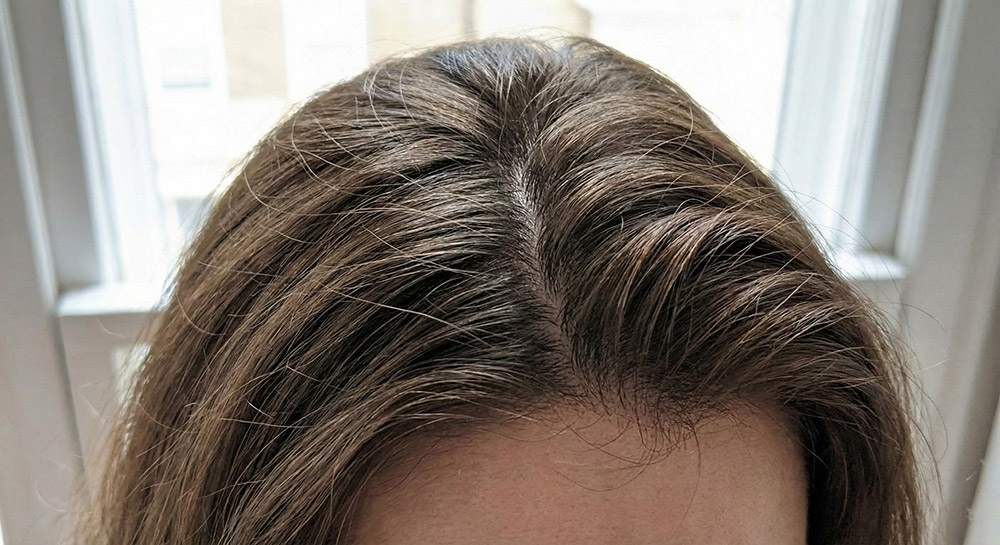
Of course, there are times when you genuinely need to wash. Your scalp will tell you:
- Visible oil at the roots — not just a bit of texture, but actual greasiness
- Your scalp feels itchy or uncomfortable — product buildup or excess oil can cause irritation
- There’s a smell — sounds obvious, but a funky scalp means it’s time
- You’ve been sweating heavily — post-gym hair usually needs at least a rinse
- Product buildup is visible — if you use a lot of styling products, you’ll need to wash more often to prevent buildup
The key is learning to read your own hair. Some weeks you might need to wash more often than others, and that’s completely fine.

How to Extend Time Between Washes
Ready to train your hair to go longer? Here are some tricks that actually work:
Dry shampoo is your best friend. Apply it at night before bed, not in the morning. This gives it time to absorb oil overnight, and you’ll wake up with fresher-looking roots. Focus on the crown and around your hairline where oil shows most.
Stop touching your hair. Every time you run your fingers through it, you’re transferring oil from your hands. If you’re a hair-toucher, this habit might be making your hair greasier.
Use the right pillowcase. Silk or satin pillowcases cause less friction and don’t absorb oils the way cotton does. Your hair will stay cleaner longer.
Style it up. Second or third-day hair is actually perfect for updos, braids, and ponytails. The natural texture and oils give your hair more grip. Embrace it.
Rinse without shampoo. If your hair feels sweaty but not oily, try just rinsing with water and using conditioner on your ends. This refreshes without stripping.

A Quick Note on Shampoo Technique
When you do wash, make sure you’re doing it right. A lot of people don’t actually shampoo properly, which can leave residue or cause over-drying.
Focus shampoo on your scalp, not your lengths. Your ends don’t need it — the suds running down as you rinse are enough. Massage your scalp with your fingertips (not nails) for at least 30 seconds. Most people rush this part, but a good scalp massage helps break up oil and product buildup.
Rinse thoroughly. Like, really thoroughly. Leftover shampoo residue can make your hair look dull and feel heavy.
And conditioner? Keep it away from your roots. Mid-lengths to ends only, unless your hair is extremely dry.
The Bottom Line
There’s no magic number that works for everyone. But if you take away one thing from this, let it be this: you probably don’t need to wash your hair as often as you think.
For most people, every two to three days is plenty. Some can go much longer. The “right” frequency is whatever keeps your scalp healthy and your hair looking good — and that’s something only you can figure out through a bit of experimentation.
Start by adding one extra day between washes. Push through the adjustment period (yes, there will be one). Give your scalp a few weeks to regulate itself.
You might just find that less washing means better hair.
