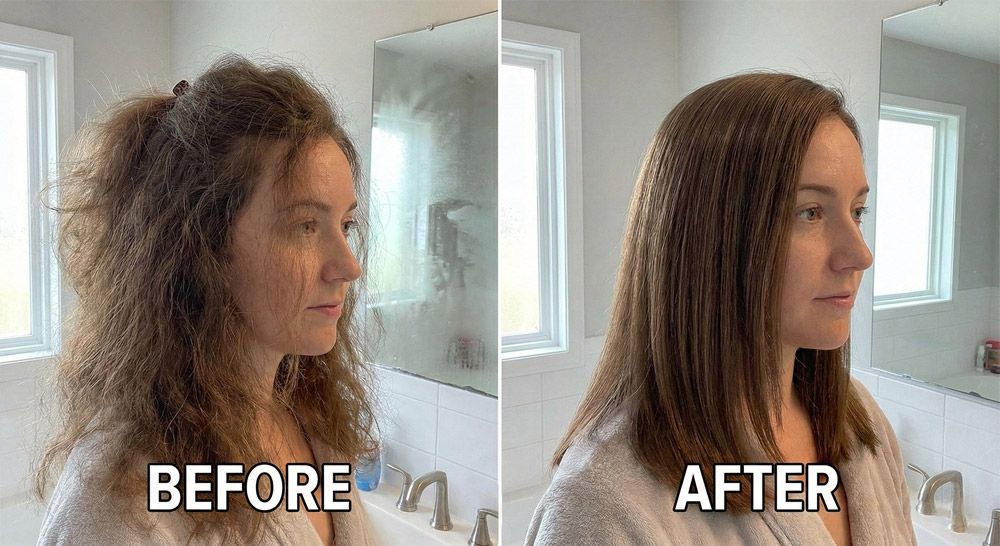
Why is my hair so frizzy? If you’ve asked yourself this question while staring at your reflection, you’re not alone. I’ll never forget standing in front of my bathroom mirror on a humid summer morning, watching my carefully styled hair transform into a frizzy halo within minutes of stepping outside.
After 12 years as a hair care specialist, I’ve learned that frizz isn’t something you just have to live with—and I’m going to share exactly what works. Whether you’re dealing with humidity, damage, or natural texture, understanding why is my hair so frizzy is the first step to fixing it.
Let me walk you through the real reasons your hair gets frizzy and, more importantly, the seven solutions that have consistently worked for my clients and me.
Table of Contents
Why Is My Hair So Frizzy? Understanding the Real Causes
Before we jump into solutions, understanding why your hair acts this way makes all the difference. Think of your hair like a sponge—when it’s thirsty, it grabs moisture from anywhere it can find it. So why is my hair so frizzy in humid weather? When there’s moisture in the air…
Humidity is the obvious culprit. When there’s moisture in the air, your hair shaft swells and the cuticle lifts, creating that fuzzy texture we all know too well. But here’s what most people don’t realize: healthy, well-moisturized hair resists humidity much better than dry hair.
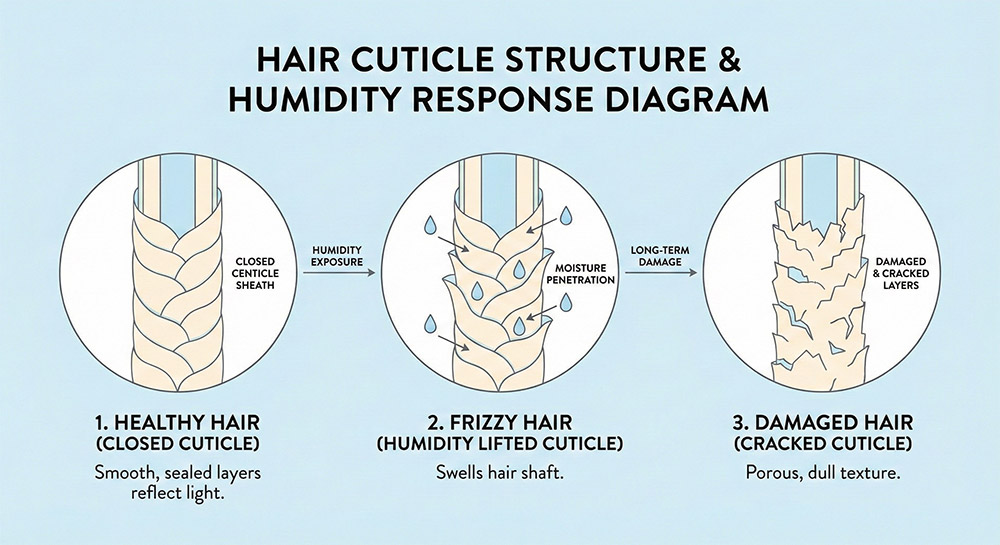
Damage breaks down your hair’s protective barrier. Every time you use heat tools, chemical treatments, or even brush too aggressively, you’re creating tiny cracks in your hair’s outer layer. These damaged areas catch and hold onto moisture unevenly, leading to frizz.
Dryness is often the root cause. Your hair needs natural oils from your scalp to stay smooth. When these oils don’t travel down your hair shaft—whether from over-washing, harsh products, or naturally curly hair texture—you end up with dry, frizz-prone strands.
I’ve also noticed that many people overlook mechanical damage from cotton pillowcases and rough towels. These seemingly innocent items can rough up your hair cuticle overnight or right after washing.
According to research from the National Institutes of Health, hair structure and moisture balance play critical roles in frizz formation.
7 Easy Solutions That Actually Work
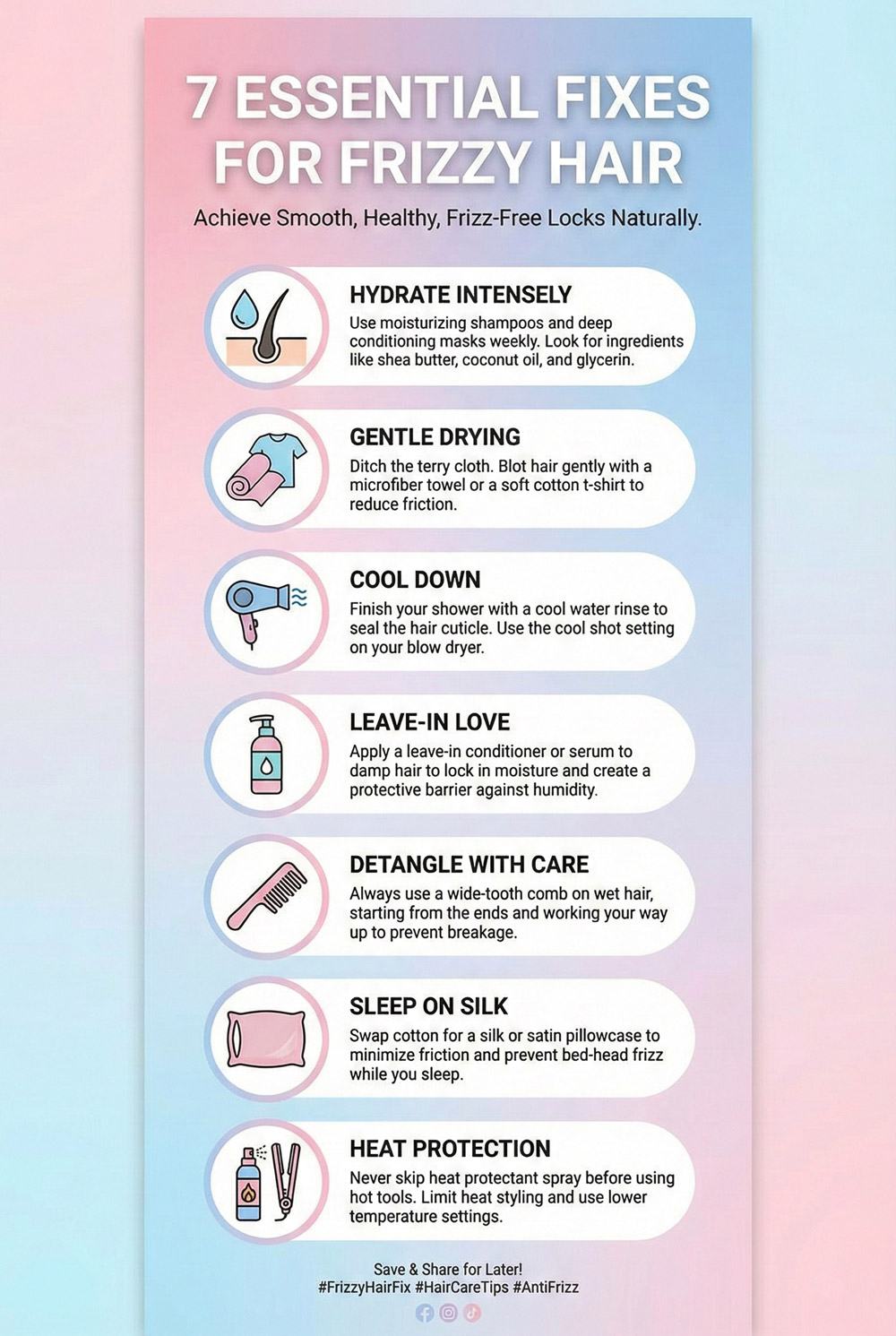
Over the years, I’ve tested countless products and techniques. These seven fixes have proven themselves time and again, and the best part? You don’t need a huge budget or hours of extra time. Now that we understand why is my hair so frizzy, let’s tackle the solutions that make a real difference.
1. Stop Washing Your Hair Every Day
This was hard for me to accept initially, but washing daily strips your scalp of natural oils that keep frizz at bay. Most people only need to wash 2-3 times per week.
When I finally made this switch with my own routine, my hair transformed within two weeks. The natural oils had time to travel down my hair shaft, creating a protective barrier against humidity. If your scalp feels oily between washes, try a dry shampoo at your roots only.
2. Switch to a Microfiber Towel or T-Shirt
Regular towels have rough fibers that create friction and lift your hair cuticle. I started using an old cotton t-shirt to gently squeeze water from my hair, and the difference was immediate.
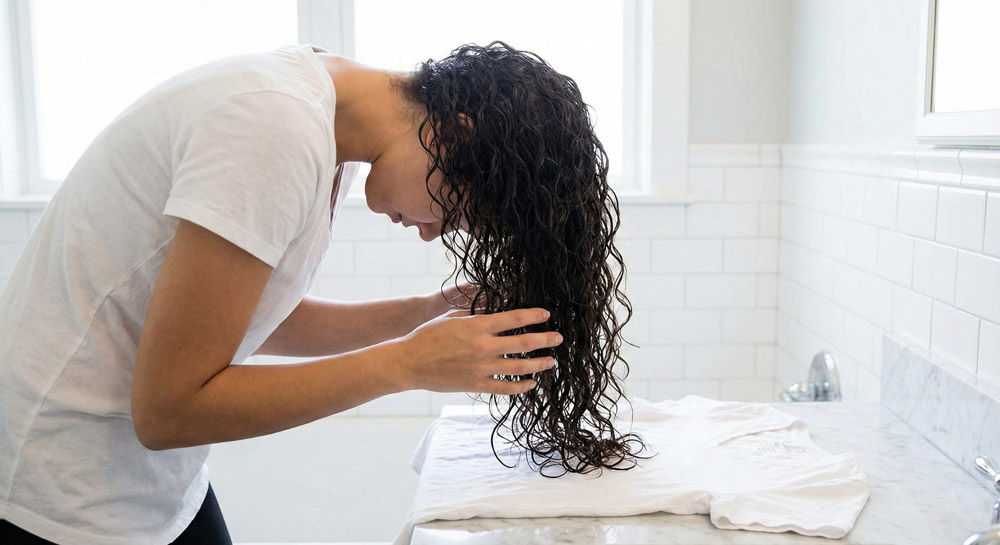
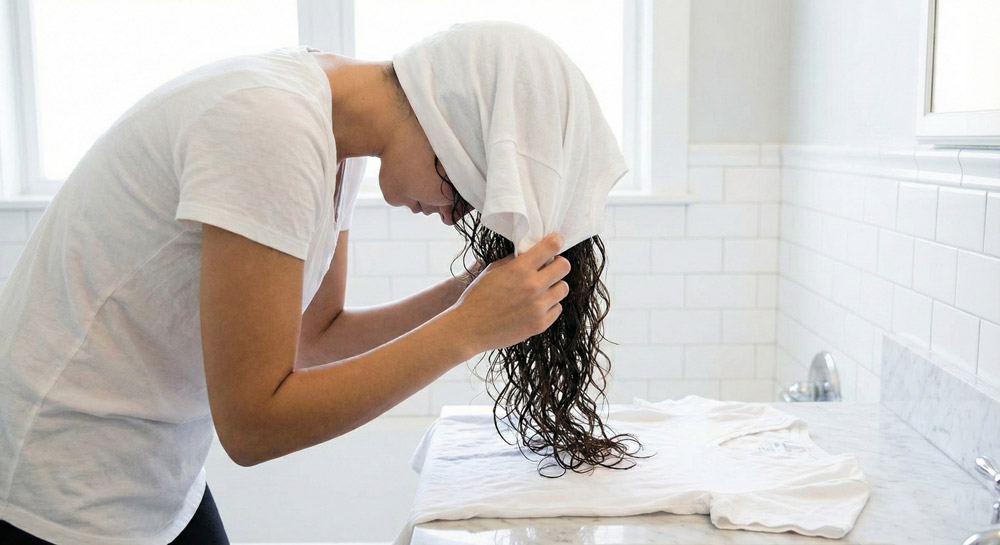
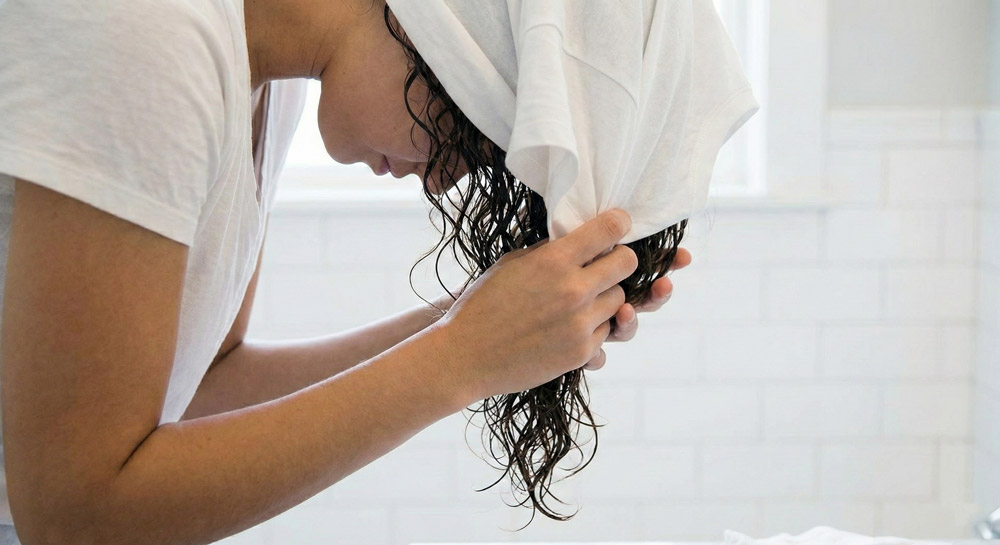
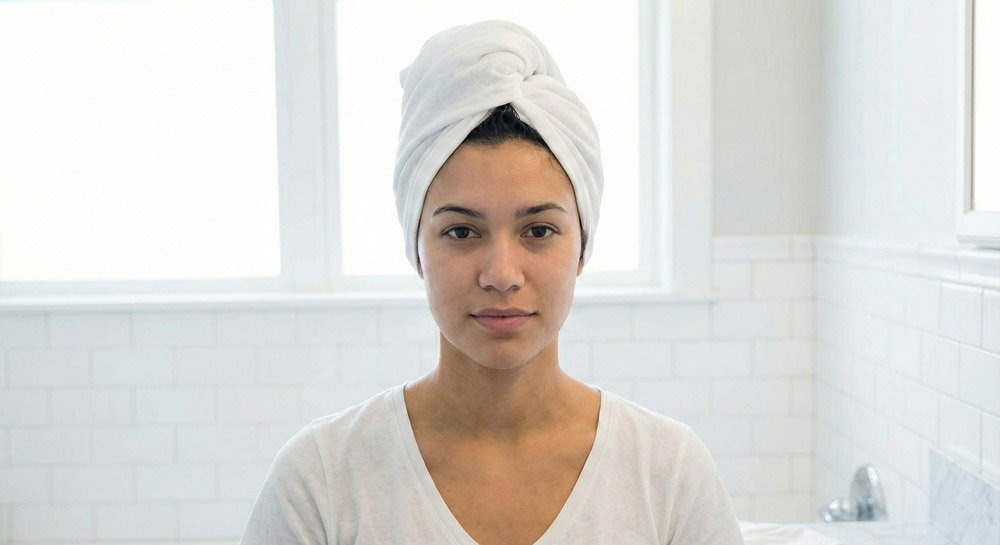
The technique matters too—don’t rub your hair. Instead, scrunch sections gently and let the fabric absorb the water. This simple change reduced my frizz by at least 40% on its own.
3. Apply Products to Soaking Wet Hair
Most people wait until their hair is damp to apply leave-in products. Here’s what I learned from a master stylist: your hair is most receptive to moisture when it’s completely saturated.
Right after washing, while your hair is still dripping wet, apply your leave-in conditioner or curl cream. The water helps distribute the product evenly and seals in hydration. I use about a quarter-sized amount for my shoulder-length hair, focusing on mid-lengths to ends. This technique alone answers the question ‘why is my hair so frizzy after washing’ for many people.
4. Use a Wide-Tooth Comb Only
Brushes are often the enemy of frizz-free hair, especially when your hair is wet. A wide-tooth comb glides through tangles without roughing up the cuticle or breaking strands.
I keep one in my shower and detangle while my conditioner is still in my hair. The conditioner provides slip, making the process gentler. Start from the ends and work your way up—never from the roots down.
5. Embrace the Cold Rinse
I know, I know—cold water doesn’t sound appealing. But hear me out. Those final 30 seconds under cool water make a noticeable difference by sealing your hair cuticle flat.
You don’t need to endure a freezing shower. Just turn the temperature down for the last rinse after conditioning. My clients who commit to this step consistently report smoother, shinier hair within a week. Many people ask why is my hair so frizzy even after conditioning, and the answer often lies in not sealing the cuticle properly.
6. Sleep on Silk or Satin
Cotton pillowcases create friction that roughs up your hair cuticle while you sleep. When I switched to a silk pillowcase three years ago, I woke up with significantly less frizz and fewer tangles.
If silk feels too expensive, satin works nearly as well and costs much less. You can also wrap your hair in a silk scarf before bed—this works especially well for protecting curly or coily hair textures.
7. Deep Condition Weekly
This is non-negotiable for anyone serious about fighting frizz. Once a week, I apply a deep conditioning mask and leave it on for 15-20 minutes while I catch up on emails or relax in the bath.
Look for masks with ingredients like shea butter, coconut oil, or keratin. These penetrate the hair shaft and repair damage from the inside out. The investment in one good deep conditioning treatment pays off in smoother, more manageable hair all week long.
Products That Help (Without Breaking the Bank)
You don’t need expensive salon products to manage frizz effectively. Here are the categories that matter most, with budget-friendly options. When clients ask me why is my hair so frizzy despite using products, it’s usually because they’re using the wrong ones or applying them incorrectly.
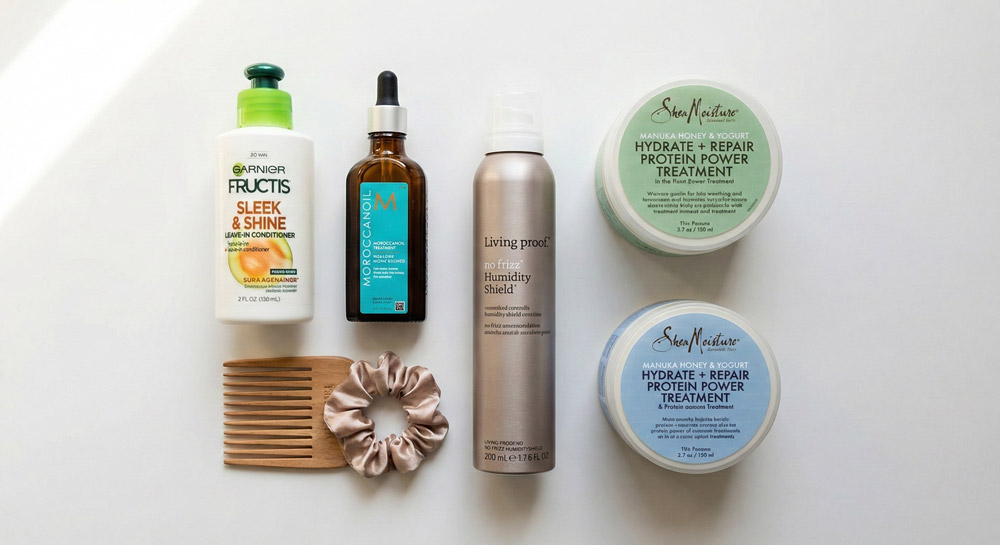
Leave-in conditioner is your first line of defense. I recommend starting with something lightweight that won’t weigh your hair down. Products with glycerin help attract and hold moisture, but avoid them on very humid days as they can backfire and increase frizz.
Hair oil or serum seals your cuticle and adds shine. Apply a tiny amount to damp hair, focusing on your ends. Argan oil, jojoba oil, and even pure coconut oil work beautifully. Start with just 2-3 drops—you can always add more, but too much will make your hair look greasy.
Anti-humidity spray creates a protective barrier when you know you’ll face moisture-heavy conditions. I spray this on after styling, holding the bottle about 8 inches away and misting lightly.
Deep conditioning mask should be rich and creamy. Look for products labeled “intensive” or “repair” if your hair is damaged. Even drugstore brands often have excellent deep conditioning options.
For specific product recommendations based on your hair type and budget, check out our comprehensive product guide that breaks down the best options for different needs and price points.
Your Quick Daily Routine
Let me give you a realistic routine that takes less than 10 minutes but makes a real difference:
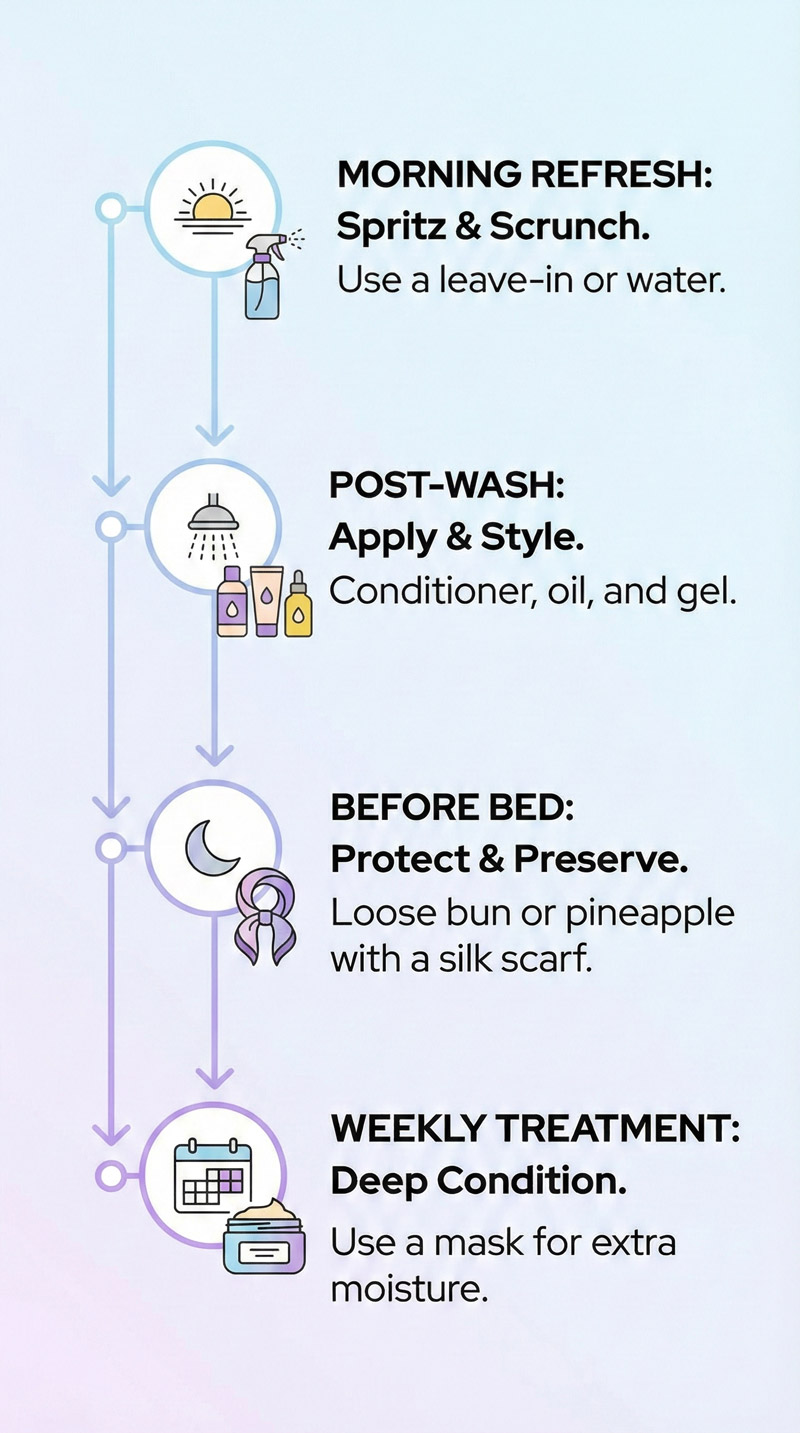
Morning: If your hair looks frizzy when you wake up, don’t re-wet it completely. Instead, dampen your hands with water, add a tiny amount of leave-in conditioner, and smooth over the frizzy areas. Scrunch gently to reactivate any products from the day before.
After washing: Apply leave-in conditioner to soaking wet hair, gently squeeze out excess water with a t-shirt, then let air dry or diffuse on low heat. Touch your hair as little as possible while it dries—every time you touch it, you’re creating friction and potential frizz.
Before bed: If your hair tends to get messy overnight, gather it loosely on top of your head in a silk scrunchie (never a tight elastic). This protects it from friction against your pillow.
Weekly: Schedule your deep conditioning treatment on the same day each week so it becomes automatic. I do mine every Sunday while I’m doing other self-care activities.
Following this routine consistently will stop you from asking ‘why is my hair so frizzy’ every morning.
The Real Talk About Managing Expectations
I need to be honest with you about something: if you have naturally curly, coily, or textured hair, some frizz is completely normal and even beautiful. The goal isn’t to eliminate every single flyaway—that’s neither realistic nor necessary.
What these techniques do is bring your frizz down to a manageable level where your hair looks healthy, feels soft, and behaves the way you want it to. I’ve seen these methods work on every hair type, from pin-straight to tightly coiled, though the results look different on everyone.
Understanding your specific hair type helps you choose the right products and techniques. Different textures have different needs when it comes to moisture, protein, and styling approaches.
Understanding why is my hair so frizzy also means accepting your natural texture and working with it, not against it.
When to See a Professional
Sometimes frizz signals a deeper problem that needs professional attention. If your hair is breaking, extremely dry despite your best efforts, or the texture has changed dramatically, schedule a consultation with a hair care specialist or trichologist.
Sudden increases in frizz can also indicate hormonal changes, nutritional deficiencies, or damage from hard water. A professional can assess your hair’s health and recommend targeted treatments that address the root cause.
After working with hundreds of clients, I can tell you that most frizz issues improve dramatically with consistent care and the right techniques. The seven fixes I’ve shared here form the foundation of every anti-frizz routine I recommend, regardless of hair type or budget.
Start with the easiest changes—like switching to a t-shirt and applying products to wet hair—and build from there. You don’t need to implement everything at once. Even one or two of these adjustments will make a noticeable difference within a couple of weeks.
Your hair is unique, and finding what works best might take some experimentation. But I promise you, frizz-free hair isn’t reserved for people with naturally smooth hair or unlimited budgets. With patience and the right approach, you can absolutely achieve the smooth, manageable hair you’re looking for.
The next time you find yourself asking ‘why is my hair so frizzy,’ remember that you now have the knowledge and tools to address it. Frizz has specific causes—humidity, damage, and dryness—and each one has a solution.
No schema found.