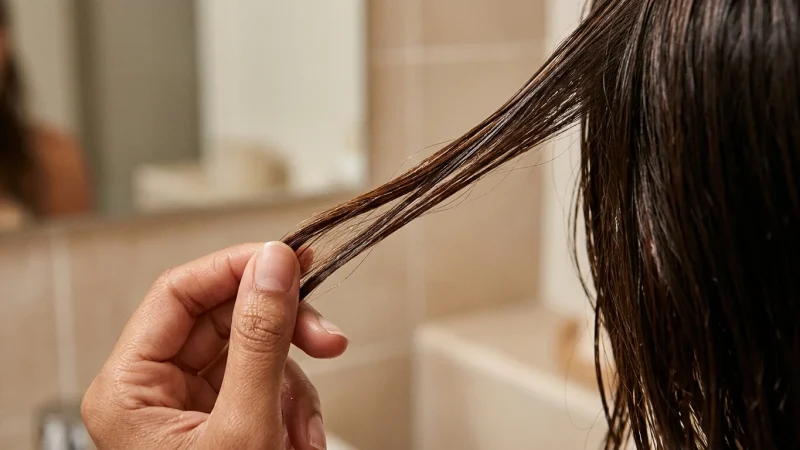
If you’ve ever heard someone say their hair needs “more protein” or is suffering from “moisture overload,” they’re talking about protein moisture balance — one of the most important concepts…

If you’ve ever heard someone say their hair needs “more protein” or is suffering from “moisture overload,” they’re talking about protein moisture balance — one of the most important concepts…
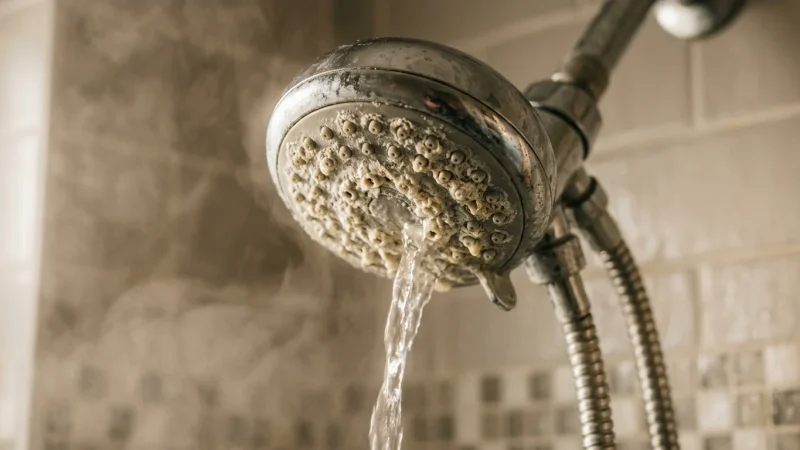
If your hair feels like straw no matter what products you use, hard water hair damage might be the invisible culprit. An estimated 85% of households in the United States…
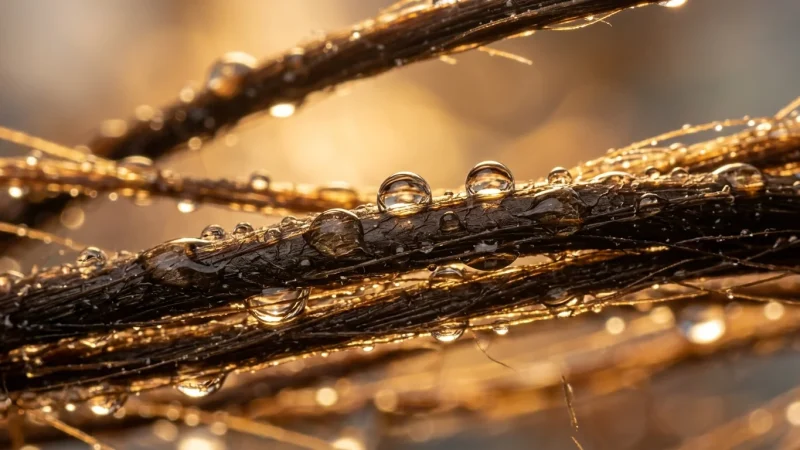
Hair porosity is arguably the most important hair characteristic you’re probably misunderstanding. It dictates which products work for you, how to apply them, how long your color lasts, and why…

The rosemary oil vs minoxidil debate has exploded online, fueled by TikTok trends and a single study that many people have misinterpreted. If you search this topic, you’ll find confident…
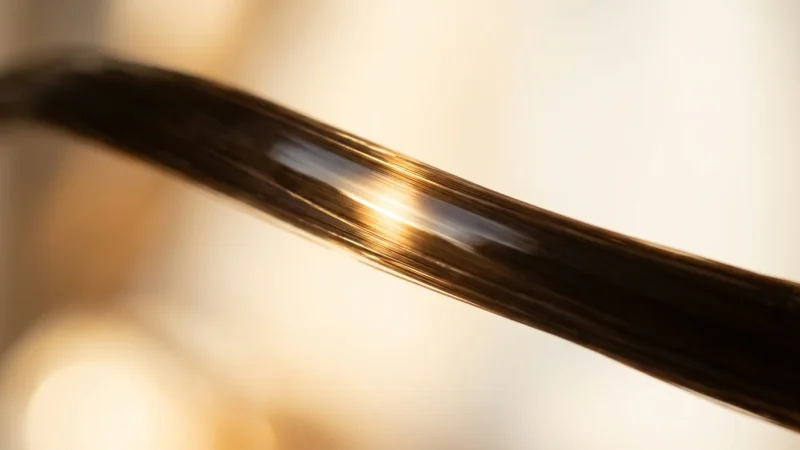
Quick Answer: Silicones are not inherently bad for your hair. They reduce frizz, add shine, protect against heat, and lower friction during brushing. The real issue is that some silicones…
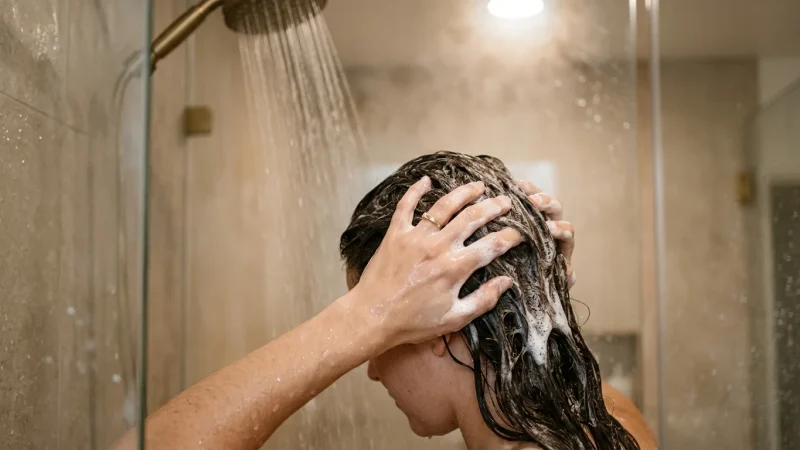
Quick Answer: Sulfates (SLS and SLES) are effective cleansing agents that strip dirt, oil, and product buildup from hair and scalp. For most people with normal-to-oily hair, they are perfectly…
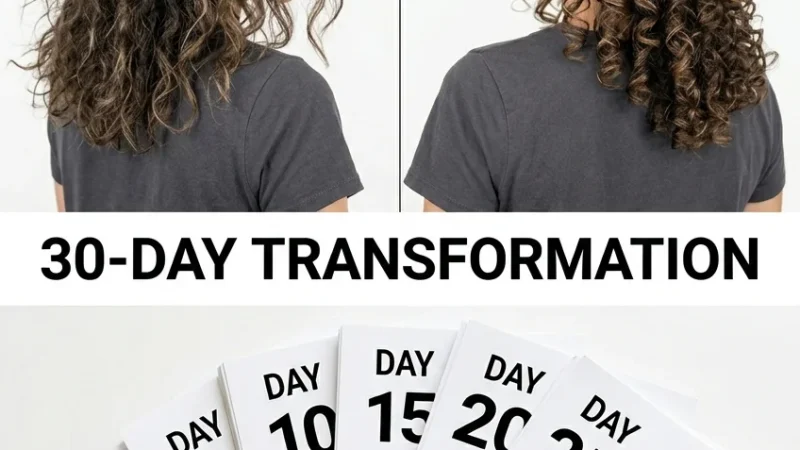
What to Expect: This 30-day hair transformation plan combines everything from our complete hair care guides into one actionable roadmap. Week 1: Assessment and foundation. Week 2: Address immediate damage….
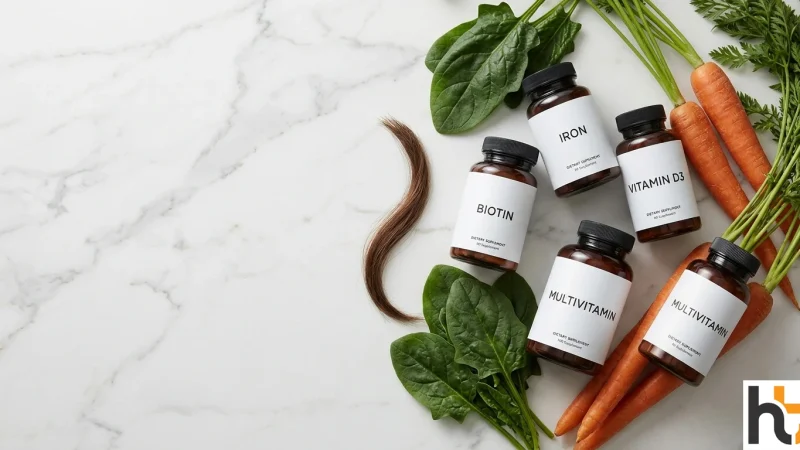
The Truth About Hair Vitamins Hair vitamins are a billion-dollar industry built on hope and marketing. The reality: vitamins only help hair if you have a nutritional deficiency. Taking extra when…
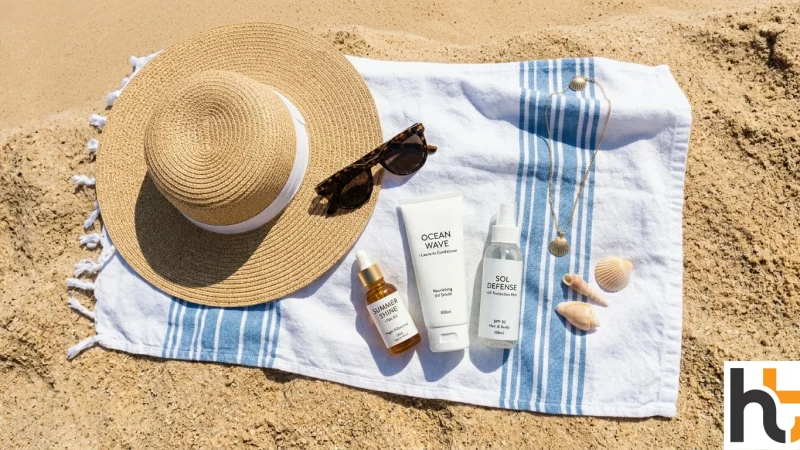
Quick Answer: Summer hair care must address: UV damage (wear hat, UV spray), chlorine (wet hair first, clarify after), salt water (rinse immediately, deep condition), humidity frizz (anti-humectant products), color…
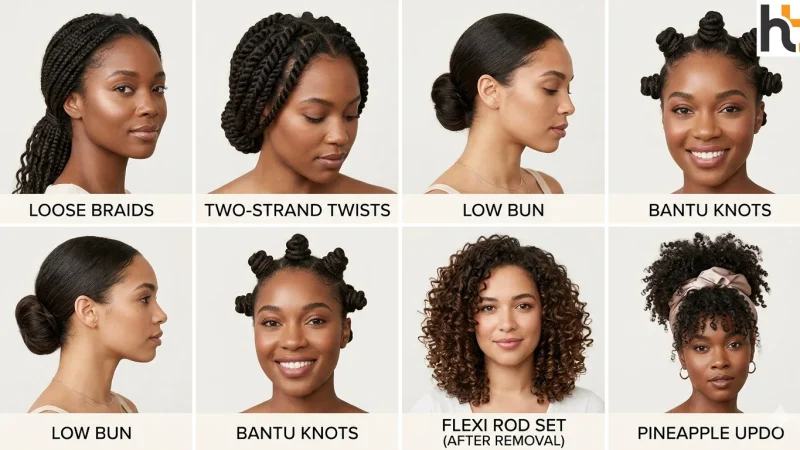
Protective hairstyles are low-manipulation styles that tuck away and protect your ends while minimizing daily handling. The goal is to prevent breakage, retain length, and give hair a break from constant…