If you’ve been scrolling through endless advice on how to get longer hair, you’re not alone. I spent years trying every product on the shelf before realizing that the most effective hair growth tips don’t come in a bottle — they come from understanding how your hair actually works.
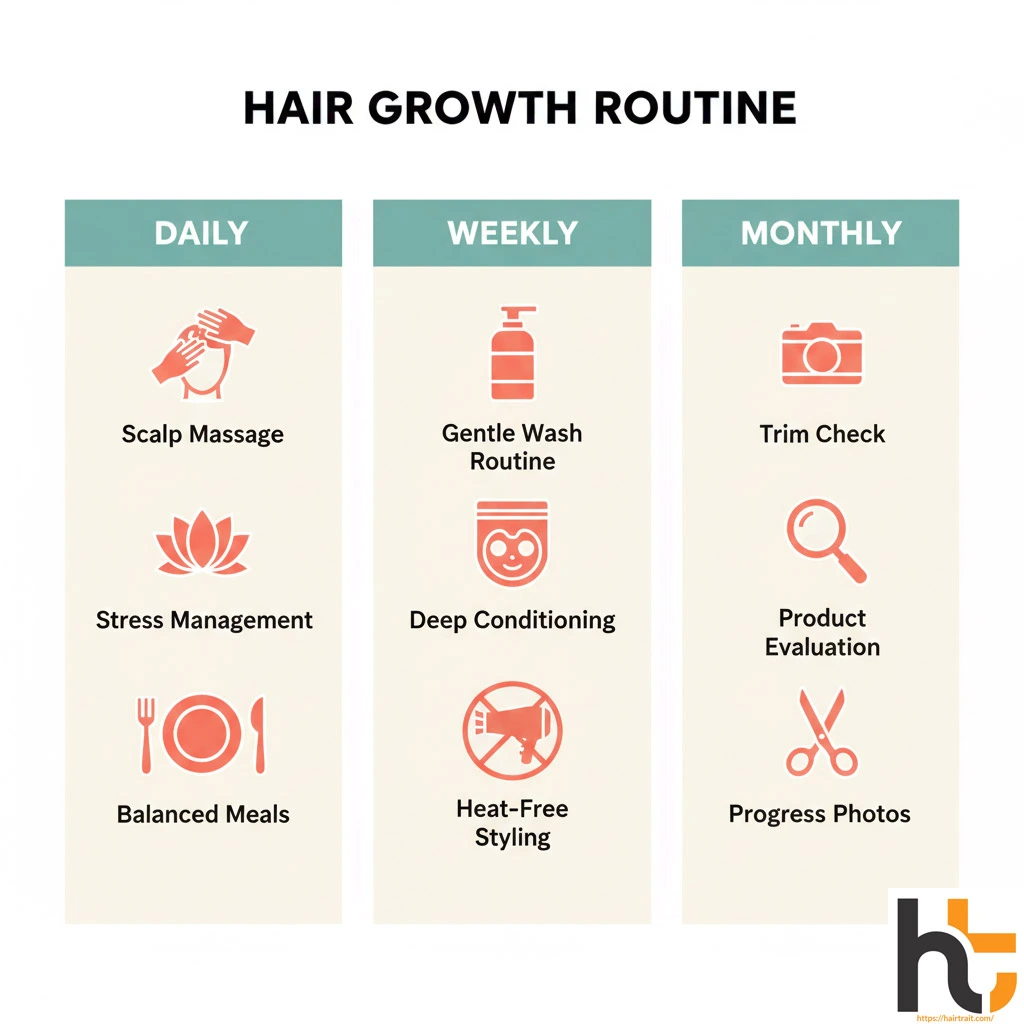
Hair growth tips that deliver real results aren’t complicated, but they do require consistency. Whether you’re recovering from damage, dealing with thinning, or simply want more length, the strategies below are backed by research and recommended by dermatologists. I’ve personally tested each one over the past three years, and the difference in my hair’s thickness and length has been noticeable.
Let’s break down exactly what works.
Table of Contents
Why Your Hair Isn’t Growing (and What Actually Helps)
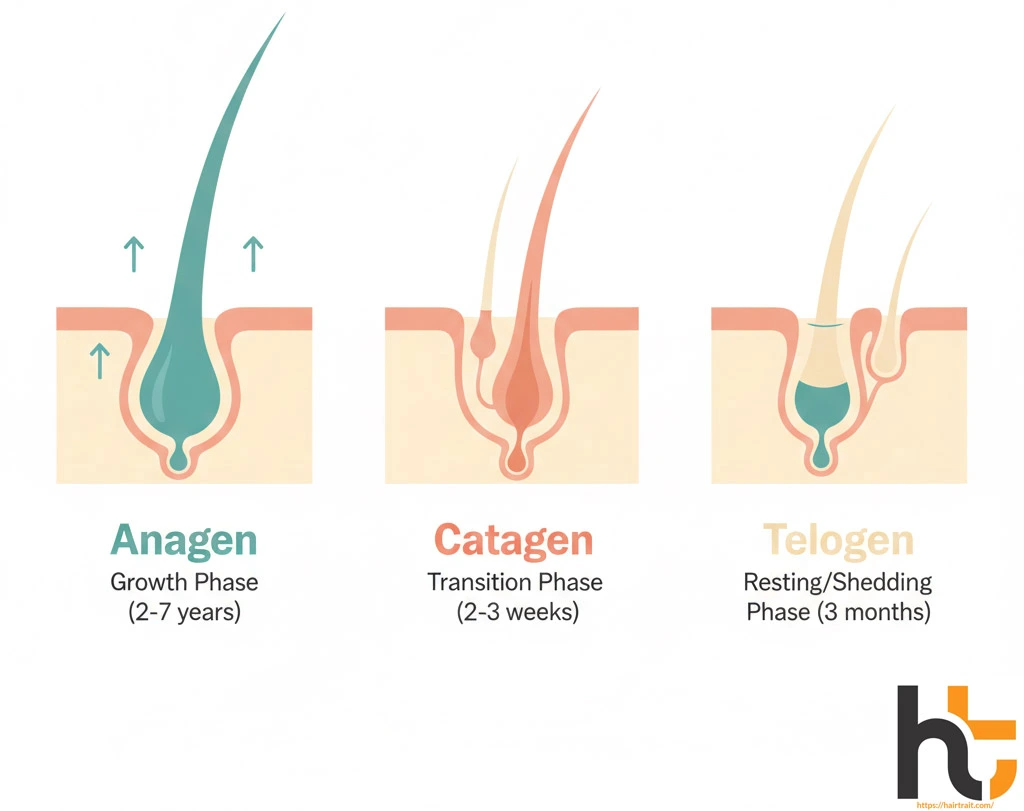
Before diving into specific hair growth tips, it helps to understand the basics. Hair grows from follicles embedded in your scalp, and each follicle cycles through growth, rest, and shedding phases. On average, hair grows about half an inch per month — but breakage, poor nutrition, and scalp issues can slow that down significantly.
The key takeaway? Growing longer hair isn’t just about stimulating growth. It’s equally about protecting what you already have. According to the American Academy of Dermatology, most people experience preventable hair damage from everyday styling habits.
1. Feed Your Hair from the Inside with the Right Nutrients
One of the most overlooked hair growth tips is the connection between diet and hair health. Your hair is made almost entirely of a protein called keratin, so what you eat directly affects how strong and fast your hair grows.
I noticed a real shift in my own hair when I started paying closer attention to protein and iron intake. Within about three months, the baby hairs around my temples were thicker and my ponytail felt noticeably fuller.
The nutrients that matter most include protein from sources like eggs, fish, and lentils; iron from spinach and fortified cereals (iron deficiency is one of the most common yet missed causes of hair loss); biotin from nuts, sweet potatoes, and avocados; and omega-3 fatty acids from salmon, flaxseeds, and walnuts. Vitamins A and C also play supporting roles — vitamin A helps your scalp produce sebum for natural moisture, while vitamin C aids collagen production and iron absorption.
A study published in the Journal of Clinical and Aesthetic Dermatology found that nutritional deficiencies are a leading contributor to hair thinning in women under 50. Before reaching for supplements, though, focus on whole foods first and consult a doctor if you suspect a deficiency.

2. Handle Your Hair Gently to Prevent Breakage
This might be the most practical of all hair growth tips: stop breaking what you’re already growing. Heat styling, tight hairstyles, and harsh chemical treatments are the biggest culprits behind hair that seems stuck at the same length.
I used to flat-iron my hair every other day. When I cut back to once a week and started using a heat protectant consistently, the improvement was dramatic. My ends stopped splitting as quickly, and I was able to go much longer between trims.
If you regularly wear your hair in tight ponytails, braids, or buns, be aware that this can cause a condition called traction alopecia — gradual hair loss caused by repeated pulling on the follicle. The Cleveland Clinic notes that traction alopecia is fully reversible when caught early, but can become permanent if the styling habits continue.
Other gentle practices that make a real difference include using a wide-tooth comb on wet hair instead of a brush, always detangling from the ends upward, switching to a silk or satin pillowcase to reduce overnight friction, and washing on a schedule that suits your hair type rather than daily. Over-washing strips your scalp of the natural oils it needs to stay healthy.
3. Prioritize Scalp Health with Regular Massages
Among dermatologist-recommended hair growth tips, scalp massage is one of the simplest and most enjoyable. A healthy scalp creates the right environment for strong hair to grow, and massage increases blood flow to the follicles — delivering more oxygen and nutrients where they’re needed.
A small but promising study published in ePlasty found that participants who performed daily four-minute scalp massages over 24 weeks had measurably thicker hair at the end of the study.

You can massage your scalp during shampooing using your fingertips (never your nails) in gentle circular motions for three to five minutes. For an extra boost, try doing it with a nourishing oil like jojoba, argan, or rosemary oil. Rosemary oil in particular has shown promise — a 2015 study compared it to minoxidil and found similar results after six months of use.
If you prefer a hands-free approach, soft silicone scalp massage brushes are inexpensive and effective. The important thing is consistency: even a few minutes each day adds up over time.
4. Manage Stress Before It Manages Your Hair
Stress doesn’t just affect your mood — it directly impacts your hair. One of the most critical hair growth tips, especially during high-pressure periods, is to actively manage your stress levels. A condition called telogen effluvium causes large numbers of hair follicles to prematurely enter the resting phase, leading to noticeable shedding weeks or months after a stressful event.
I experienced this firsthand during a particularly demanding stretch at work. About three months after the worst of it, my hair started falling out in clumps during showers. My dermatologist confirmed it was stress-related and reassured me that with lifestyle changes, it would recover — which it did over the following six months.
The Mayo Clinic recommends regular exercise, adequate sleep of seven to nine hours per night, mindfulness practices like meditation or deep breathing, and engaging in hobbies that help you decompress. If you’re experiencing chronic stress alongside significant hair loss, it’s worth seeing a healthcare professional to rule out underlying conditions like thyroid issues or autoimmune disorders.
5. Explore Evidence-Based Hair Growth Products (Carefully)
The final set of hair growth tips involves products — but with an important caveat: not everything marketed for hair growth actually works. The market is full of overpriced serums with no clinical backing. Focus on ingredients that have genuine scientific support.
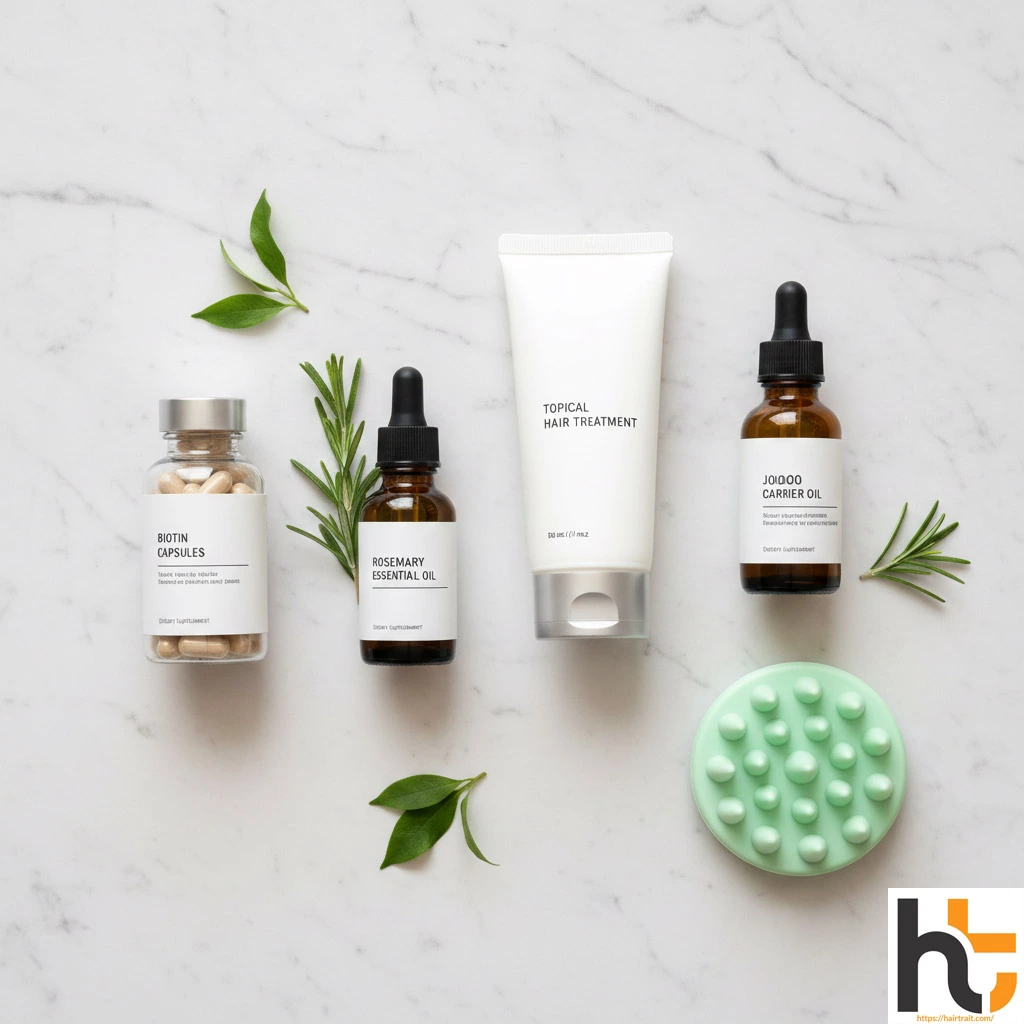
Minoxidil is the gold standard for topical hair growth treatment. It’s FDA-approved, available over the counter, and has decades of clinical evidence behind it. It works by prolonging the growth phase of your hair cycle. Rosemary essential oil, as mentioned earlier, has shown comparable results in at least one clinical trial. Always dilute essential oils with a carrier oil like jojoba or coconut before applying to your scalp. Caffeine-based topical products have also shown early promise in stimulating follicles, though the research is still developing.
As for supplements, biotin and collagen can be helpful if you have an actual deficiency, but they won’t perform miracles on their own. Always check with your doctor before starting any new supplement, especially if you’re on other medications.
The golden rule with any hair growth product: be patient and consistent. Results typically take three to six months to become visible.
Frequently Asked Questions About Hair Growth Tips
How long does it take to see results from hair growth tips? Most people begin noticing improvements within two to three months of consistent effort. Full results from dietary changes, scalp care, and products usually take six months.
Can hair growth tips help with genetic hair loss? Genetic hair loss (androgenetic alopecia) responds best to medical treatments like minoxidil or finasteride. However, the lifestyle-based hair growth tips above can support overall hair health alongside medical treatment.
How often should I wash my hair for better growth? There’s no universal answer — it depends on your hair type and scalp. Most dermatologists recommend two to three times per week for average hair types, adjusting as needed.
The Bottom Line
The best hair growth tips combine internal nutrition, gentle external care, scalp stimulation, stress management, and smart product choices. None of these work overnight, but together they create the conditions your hair needs to grow stronger and longer.
Start with whichever tip feels most manageable for you right now, then build from there. Consistency matters far more than perfection — and your future hair will thank you for the effort.