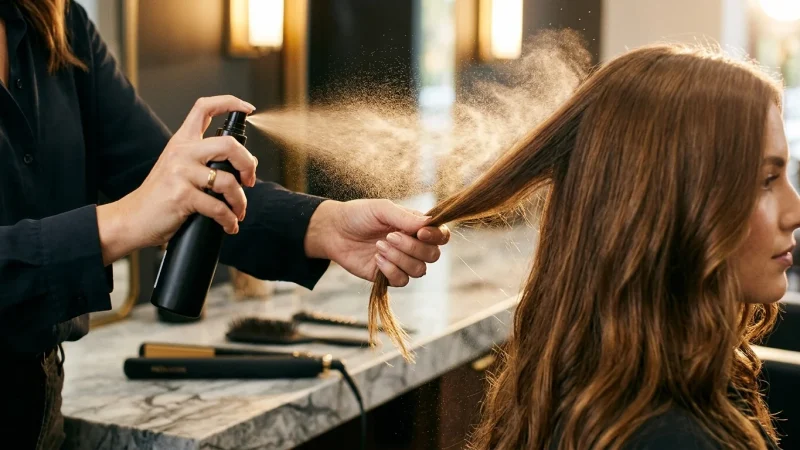
Every heat styling guide tells you to “always use a heat protectant” — but rarely explains why or how they work. Do they genuinely shield your hair from damage, or…

Every heat styling guide tells you to “always use a heat protectant” — but rarely explains why or how they work. Do they genuinely shield your hair from damage, or…
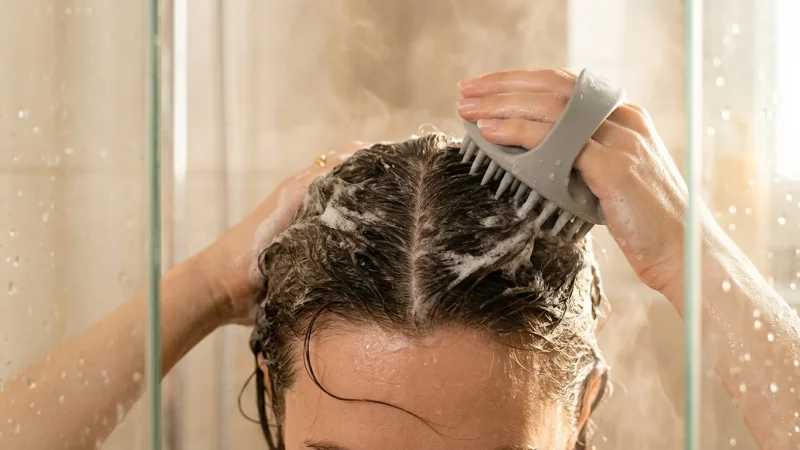
Quick Answer: Scalp buildup is the accumulation of product residue, excess sebum, dead skin cells, and/or mineral deposits on the scalp surface. It causes itching, flaking, dullness, flat hair, and…
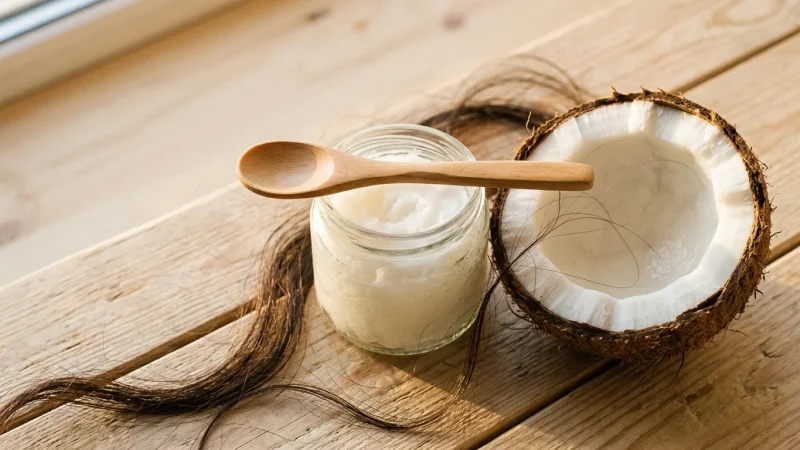
Coconut oil for hair is the most recommended natural remedy in online hair communities — and also the most divisive. Some people swear it transformed their dry, damaged hair. Others…
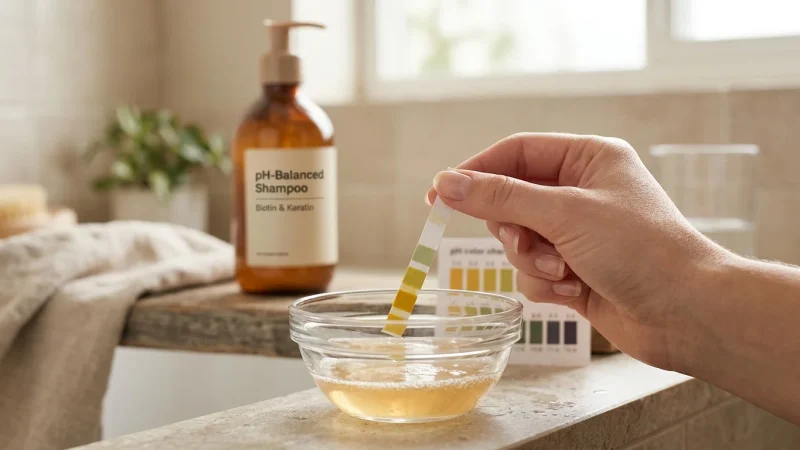
Most people pick shampoo based on fragrance, brand, or whether it says “sulfate-free.” Almost nobody checks the shampoo pH — yet it may be the single most impactful property of…
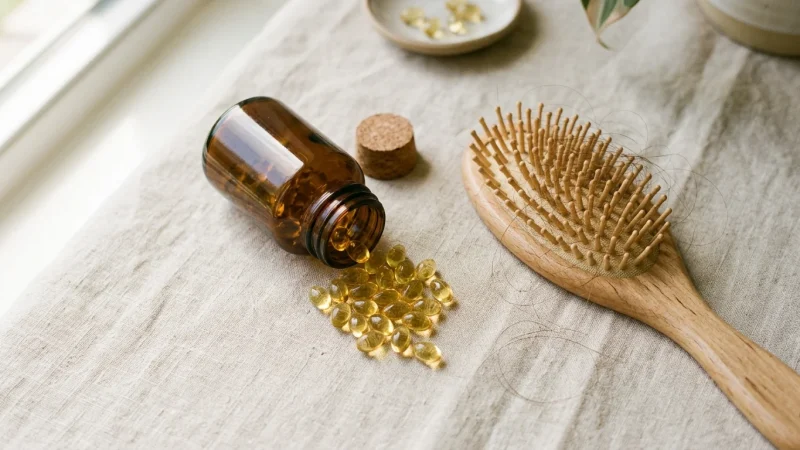
Biotin for hair growth is one of the best-selling supplement claims on the market. Walk down any pharmacy aisle and you’ll see bottles promising thicker, faster-growing hair — often containing…
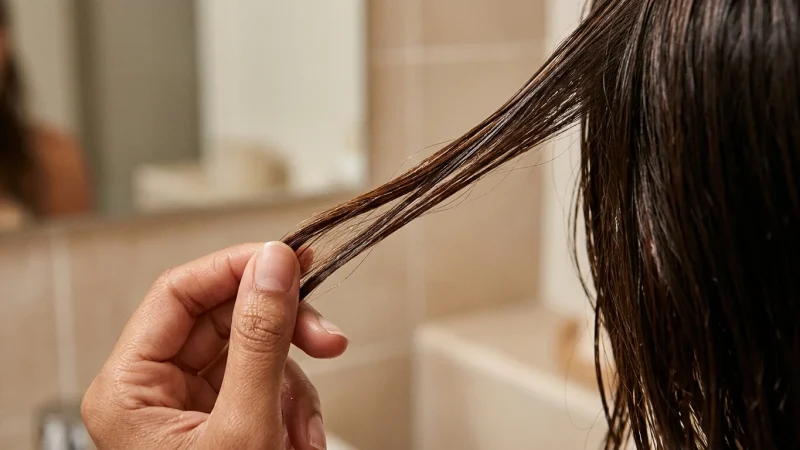
If you’ve ever heard someone say their hair needs “more protein” or is suffering from “moisture overload,” they’re talking about protein moisture balance — one of the most important concepts…
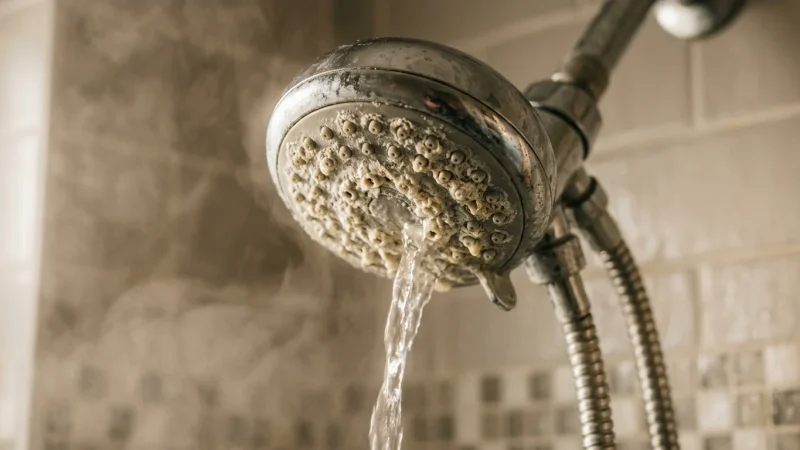
If your hair feels like straw no matter what products you use, hard water hair damage might be the invisible culprit. An estimated 85% of households in the United States…
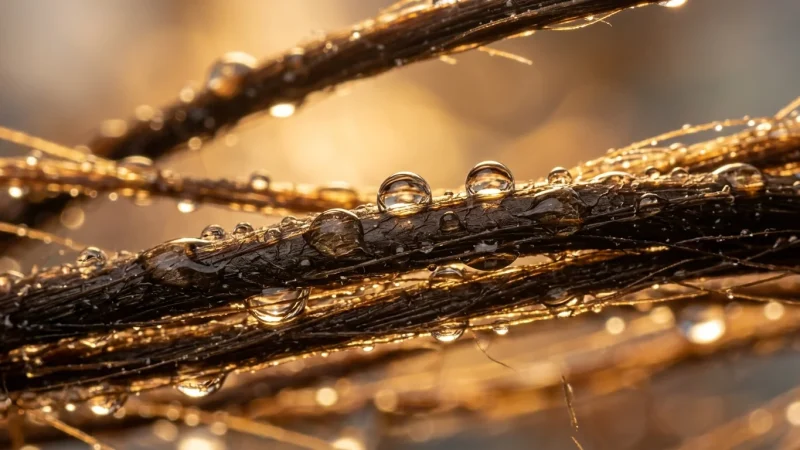
Hair porosity is arguably the most important hair characteristic you’re probably misunderstanding. It dictates which products work for you, how to apply them, how long your color lasts, and why…

The rosemary oil vs minoxidil debate has exploded online, fueled by TikTok trends and a single study that many people have misinterpreted. If you search this topic, you’ll find confident…
Quick Answer: Silicones are not inherently bad for your hair. They reduce frizz, add shine, protect against heat, and lower friction during brushing. The real issue is that some silicones…