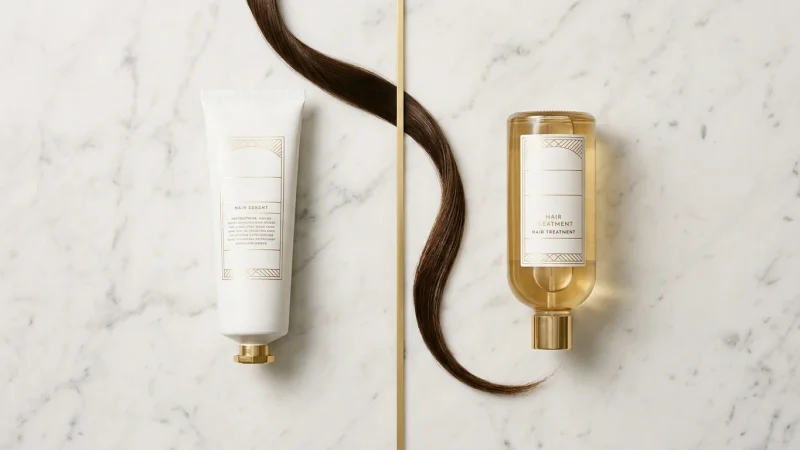
Quick Answer: K18 and Olaplex are both bond-repair treatments, but they fix different types of damage using different chemistry. Olaplex reconnects broken disulfide bonds and works best during or after…

Quick Answer: K18 and Olaplex are both bond-repair treatments, but they fix different types of damage using different chemistry. Olaplex reconnects broken disulfide bonds and works best during or after…
Quick Answer: Sulfates (SLS and SLES) are effective cleansing agents that strip dirt, oil, and product buildup from hair and scalp. For most people with normal-to-oily hair, they are perfectly…
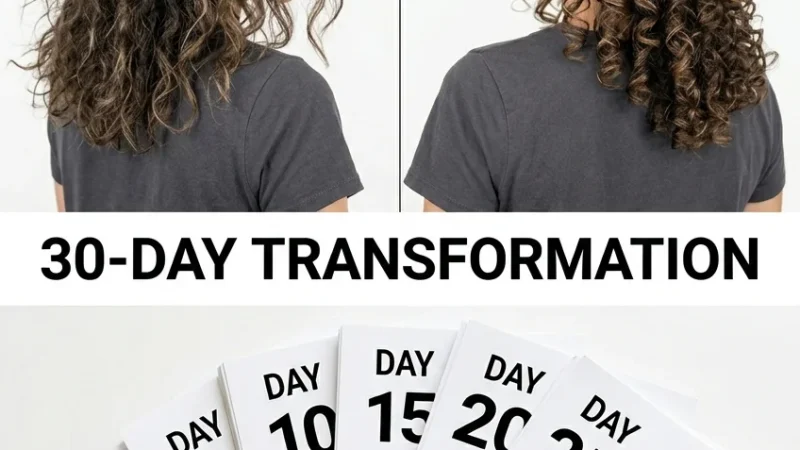
What to Expect: This 30-day hair transformation plan combines everything from our complete hair care guides into one actionable roadmap. Week 1: Assessment and foundation. Week 2: Address immediate damage….

The Truth About Hair Vitamins Hair vitamins are a billion-dollar industry built on hope and marketing. The reality: vitamins only help hair if you have a nutritional deficiency. Taking extra when…
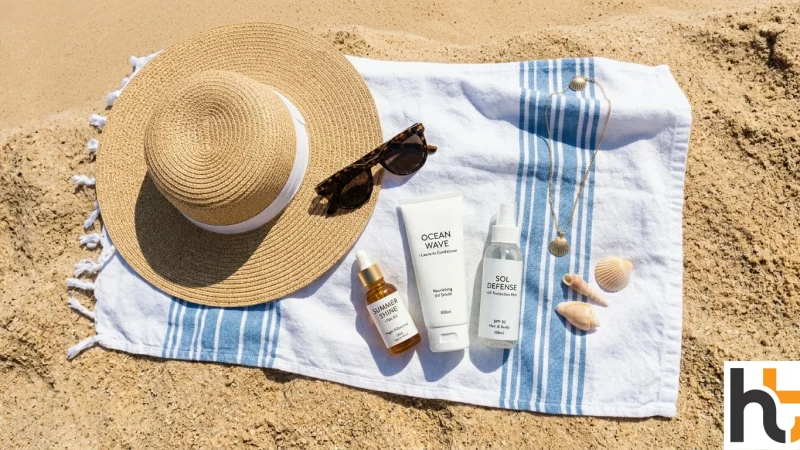
Quick Answer: Summer hair care must address: UV damage (wear hat, UV spray), chlorine (wet hair first, clarify after), salt water (rinse immediately, deep condition), humidity frizz (anti-humectant products), color…
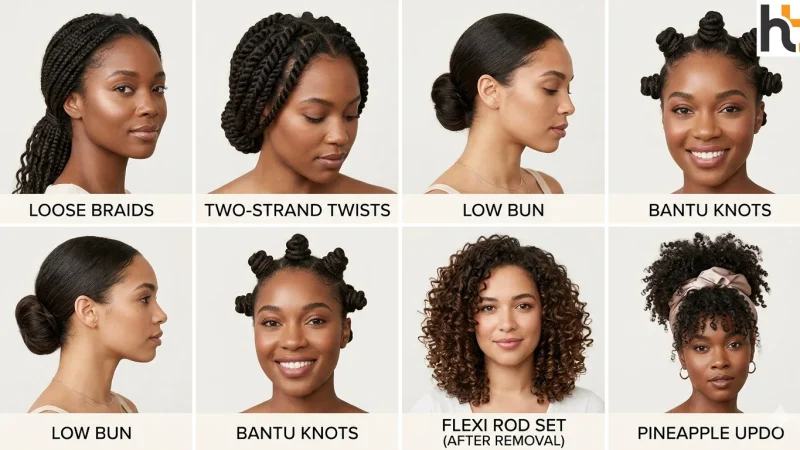
Protective hairstyles are low-manipulation styles that tuck away and protect your ends while minimizing daily handling. The goal is to prevent breakage, retain length, and give hair a break from constant…
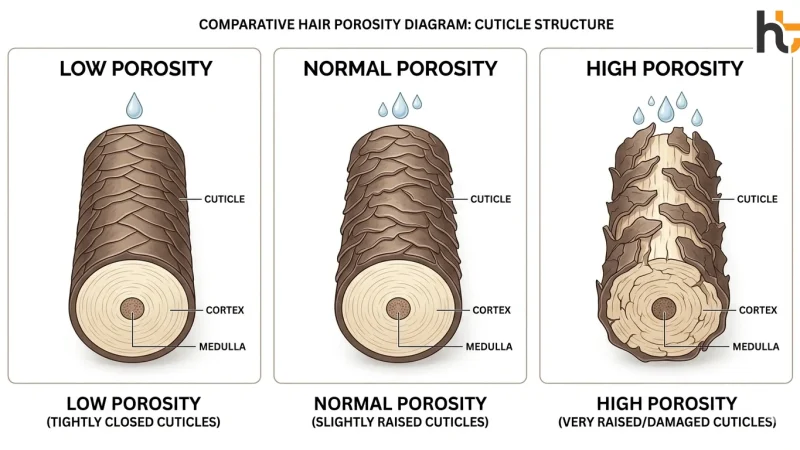
Hair porosity measures how easily your hair absorbs and holds moisture. It’s determined by the condition of your hair’s outer protective layer (cuticle). Understanding your porosity type is critical because…
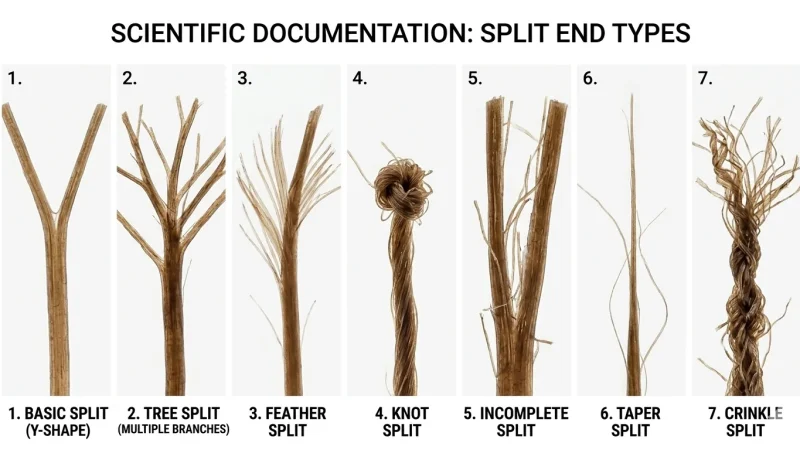
Split ends (trichoptilosis) occur when the protective outer layer of your hair wears away at the ends, causing the inner cortex to split apart. Once the hair shaft splits, it cannot…
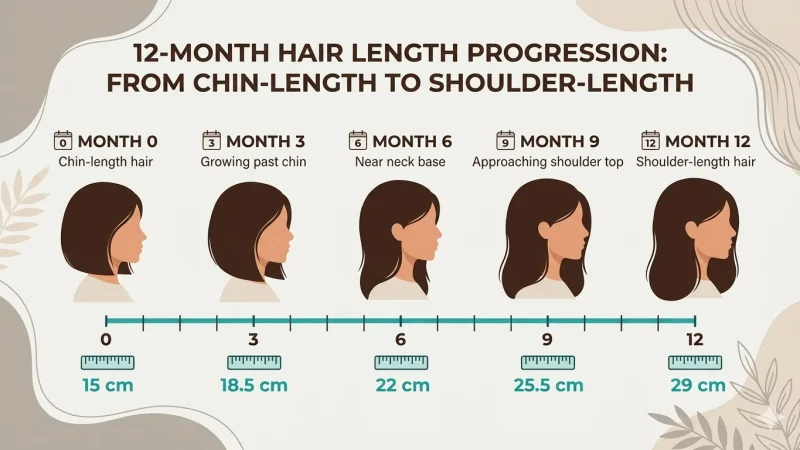
Understanding the hair growth timeline is critical for setting realistic expectations. Hair doesn’t grow overnight, and it doesn’t grow at the dramatic rates social media influencers claim. Science gives us specific, measurable…
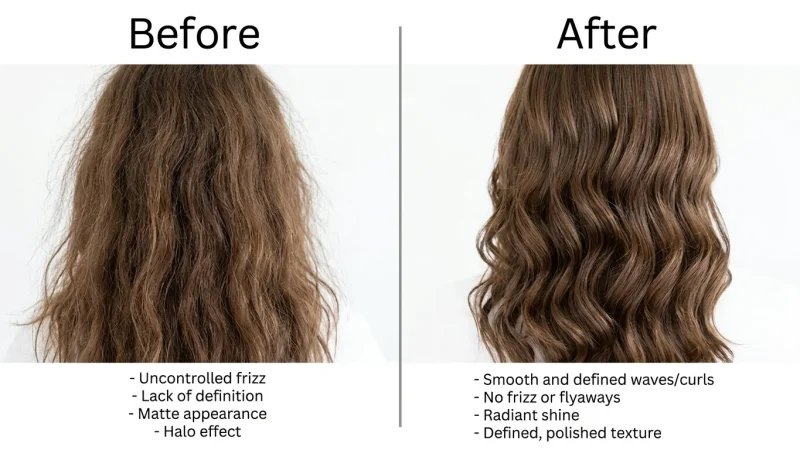
Frizz happens when the outer protective layer of your hair (cuticle) lifts up instead of lying flat. This allows moisture from the air to enter the hair shaft, causing it…